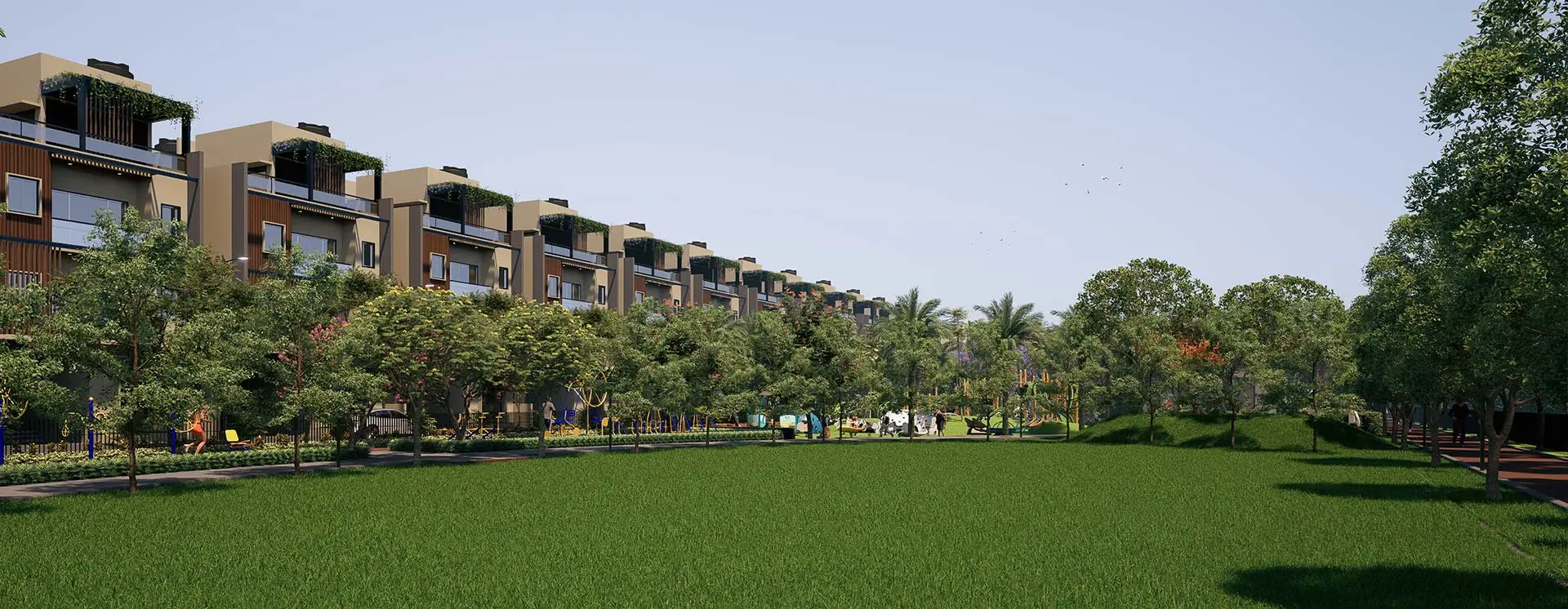
Eastern Corridor: The Future of Bengaluru Expansion
STRR, KIADB, and the Aerospace corridor are transforming East Bengaluru into a powerful growth engine, positioning the Eastern Corridor as the future of the city’s expansion.
Bengaluru’s growth has always followed infrastructure and employment corridors. As central zones become saturated, the city is expanding outward — and the eastern belt is now emerging as a strategically planned extension of this growth.
The Rise of the Eastern Corridor

The Eastern Corridor is no longer just an emerging region — it is becoming a structured growth zone backed by infrastructure, industrial development, and increasing real estate activity.
Locations along this belt, including Hoskote and surrounding areas, are witnessing a steady shift from underdeveloped land to organized residential and industrial ecosystems.
STRR: The Game-Changer
The Satellite Town Ring Road (STRR) is one of the most impactful infrastructure projects driving this transformation. It connects key satellite towns around Bengaluru, easing congestion and improving interconnectivity.
For the Eastern Corridor, STRR acts as a catalyst — reducing travel time, improving accessibility, and unlocking large parcels of land for development.
Infrastructure doesn’t just improve connectivity — it defines where the city grows next.
KIADB & Industrial Expansion
The presence of KIADB (Karnataka Industrial Areas Development Board) zones is attracting major industries and manufacturing units to the eastern belt. This is creating a strong employment base, which directly fuels housing demand.
As industries expand, they bring with them a workforce that requires housing, retail, and social infrastructure — creating a complete ecosystem of growth.
Aerospace Corridor: A Long-Term Driver
The Aerospace SEZ and related developments are positioning East Bengaluru as a hub for high-value industries. This adds a layer of long-term stability and premium demand to the region.
Unlike short-term growth drivers, such industrial corridors create sustained economic activity, ensuring consistent demand for both residential and commercial real estate.
Connectivity That Supports Expansion
The Eastern Corridor benefits from strong road networks, including the Chennai Expressway and direct access to key hubs like Whitefield and ITPL.
With upcoming infrastructure upgrades and improved connectivity to the airport, the region is becoming increasingly accessible — a critical factor for both investors and end-users.
Real Estate Momentum
As infrastructure and industry expand, real estate naturally follows. The Eastern Corridor is witnessing increasing interest from developers, particularly in plotted developments and integrated townships.
Investors are recognizing the advantage of entering early — before prices rise significantly — making this region one of the most active investment zones in Bengaluru today.
The Next Phase of Bengaluru’s Growth
Every major city evolves through corridors of expansion. In Bengaluru’s case, the Eastern Corridor is shaping up to be the next phase of that evolution.
With infrastructure, employment, and residential demand aligning, the region offers a rare combination of growth potential and long-term value.
Conclusion
The Eastern Corridor is not just a future possibility — it is already in motion. Backed by STRR, KIADB developments, and the Aerospace corridor, it is becoming a critical part of Bengaluru’s expansion story.
For investors and homebuyers looking to be part of the city’s next growth wave, the Eastern Corridor presents a compelling opportunity — one that is still in its early stages, but rapidly gaining momentum.